
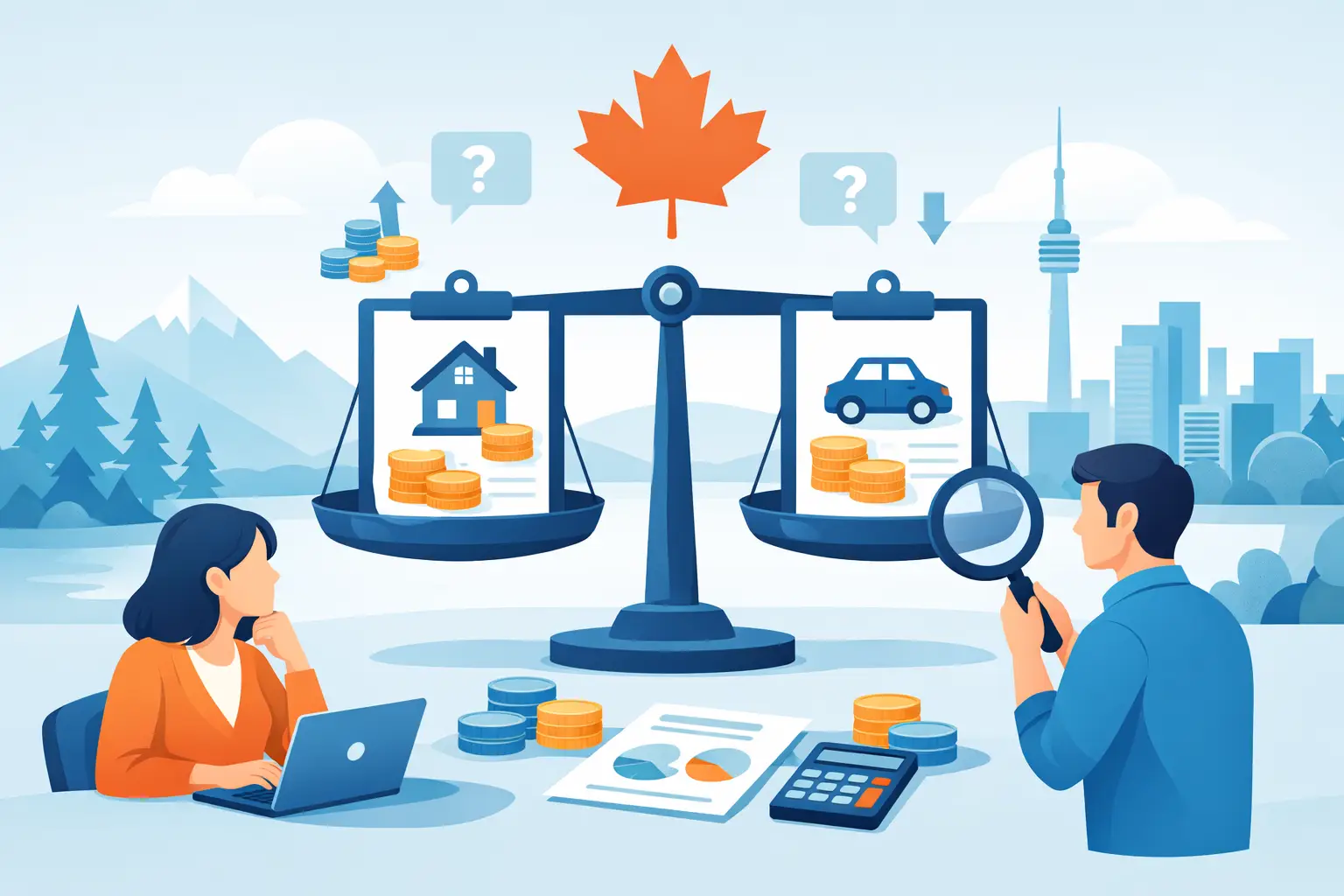
A loan can help you move forward – buying a reliable vehicle, consolidating high-interest debt, covering an education expense, or investing in a growing business. But the first offer is rarely the whole story. A thoughtful loan comparison Canada process helps you look beyond an advertised interest rate and choose borrowing that supports your budget, your family, and your longer-term financial goals.
The right loan is not always the one with the lowest monthly payment. A longer repayment period can make payments feel more manageable while increasing the total interest you pay. A lower rate may come with fees, stricter qualification rules, or limited flexibility if your circumstances change. Comparing offers with care gives you a clearer view before you commit.
What to Compare Before You Apply
Lenders may present their offers differently, which can make two loans difficult to compare at a glance. Start by asking each lender for the same core details: the amount you can borrow, the interest rate, the repayment term, payment frequency, total cost of borrowing, and every applicable fee.
Interest is a major part of the cost, but it is only one part. Some loans have fixed rates, meaning your rate and scheduled payment remain stable for the term. Others have variable rates that can rise or fall with market conditions. Fixed-rate borrowing can provide predictability for a household budget. Variable-rate borrowing may be appropriate in certain situations, but it requires room in your finances for payment changes or a longer payoff period.
Also look closely at the repayment term. A $15,000 loan repaid over three years will usually have a higher monthly payment than the same loan repaid over five years. However, the five-year option will generally cost more in interest overall. The best choice depends on your cash flow, savings priorities, and ability to manage a higher payment without relying on new debt.
Fees can change the real cost
Ask whether the lender charges an origination fee, administration fee, late-payment fee, NSF fee, or prepayment penalty. These charges may not receive the same attention as the interest rate, yet they can affect the value of an offer.
Prepayment terms deserve special attention. If you expect a bonus, tax refund, or business revenue increase that could help you pay down the loan early, confirm whether extra payments are allowed and whether they reduce your interest cost. Flexible prepayment options can be valuable even if you do not expect to use them right away.
Consider the payment schedule
Monthly payments are common, but some lenders offer weekly, biweekly, or accelerated payment schedules. More frequent payments may fit the way you receive income and can sometimes reduce interest over time. What matters most is choosing a schedule you can meet consistently.
A missed payment can lead to fees, added interest, and potential damage to your credit profile. Before accepting an offer, test the payment against your real monthly budget, including groceries, housing, insurance, transportation, taxes, savings, and irregular expenses.
Loan Comparison Canada: Match the Loan to the Purpose
Borrowing options are not interchangeable. The loan type should make sense for what you need to fund, how quickly you need the funds, and how long the benefit of that expense will last.
An unsecured personal loan does not require you to pledge an asset as collateral. It can be useful for planned expenses or debt consolidation, although rates may be higher than secured borrowing because the lender takes on more risk. A secured loan may offer more favorable terms, but the asset used as security could be at risk if you cannot meet your obligations.
A line of credit can provide flexibility when expenses are ongoing or uncertain, since you generally borrow only what you use. That flexibility can be helpful, but it also calls for discipline. Making only minimum payments can keep debt in place longer than expected.
For a vehicle, compare both the financing rate and the total price of the vehicle. A low financing rate does not necessarily make a purchase affordable if the vehicle price, insurance, maintenance, and fuel costs strain your budget. For business borrowing, consider whether payments will be supported by dependable cash flow rather than optimistic projections alone.
Debt consolidation also requires an honest review. Combining several balances into one loan can simplify payments and potentially lower interest costs. It works best when the new payment plan is paired with a plan to avoid rebuilding credit card balances afterward. Without that change, consolidation can create more debt rather than less.
Check Your Credit and Documentation First
Your credit history can affect the offers you receive. Before applying, review your credit report for errors, confirm that your personal information is current, and understand where you stand. Correcting inaccurate information may take time, so it is better to check before you need financing urgently.
Lenders may also review your income, employment stability, existing debt, housing costs, and the purpose of the loan. Preparing documents in advance can make the process easier. Depending on the lender and loan type, you may be asked for recent pay stubs, tax information, bank statements, proof of identity, or business financial records.
For self-employed Canadians and business owners, income can look different from one month to the next. Clear bookkeeping and up-to-date tax filings can help present a more accurate picture of your financial capacity. This is one reason financial administration and borrowing decisions are closely connected.
Compare Offers Without Hurting Your Position
Each lender has its own application process. Some early eligibility checks may involve a soft credit inquiry, while a formal application can involve a hard inquiry. Multiple hard inquiries over a short period can be a concern, particularly if your credit profile is still developing.
Ask lenders what type of credit check they perform before sharing an application. Gather preliminary information first, then narrow your options to the offers that fit your needs. Do not apply for more credit than you need simply because a larger amount is available.
Be cautious of offers that focus only on speed or guaranteed approval. Fast funding may be useful during a genuine emergency, but high-cost borrowing can place more pressure on your budget after the immediate problem has passed. Read the agreement, understand the full repayment obligation, and ask questions about anything that is unclear.
Build a Comparison That Reflects Your Real Budget
A simple side-by-side worksheet can prevent an emotional decision. For each option, write down the loan amount, rate type, interest rate, term, payment amount, fees, total expected repayment, prepayment rules, and what happens if a payment is late. Then place that payment alongside your current monthly obligations.
It can also help to run two practical tests. First, ask whether you could still make the payment if an unexpected expense appeared. Second, ask whether the loan supports a goal that will still matter after the payments are gone. A loan for a necessary repair, career training, or a well-planned business purchase may have a clear purpose. Borrowing for a short-lived expense can require more caution.
If you are applying with a co-borrower or co-signer, have an open conversation before signing. Both parties need to understand their legal responsibility, how payments will be handled, and what will happen if one person faces an income interruption. Shared borrowing should protect relationships, not create avoidable stress.
Get Coordinated Support When Decisions Overlap
A loan decision often connects with other parts of your financial life. Your tax situation may affect how you document income. Your insurance needs may change after a major purchase. Your budget may need to account for retirement savings, emergency funds, or business payroll commitments.
Unity Financial Services helps Canadians coordinate financial needs by connecting them with qualified professionals across lending, tax, insurance, and planning. This type of support can be especially useful when you are navigating a major life transition and want your decisions to work together rather than compete for the same dollars.
A good borrowing decision should leave room for the life you are building. Take the time to compare, ask for clear answers, and choose a payment you can carry with confidence – not just today, but through the changes that real life can bring.