
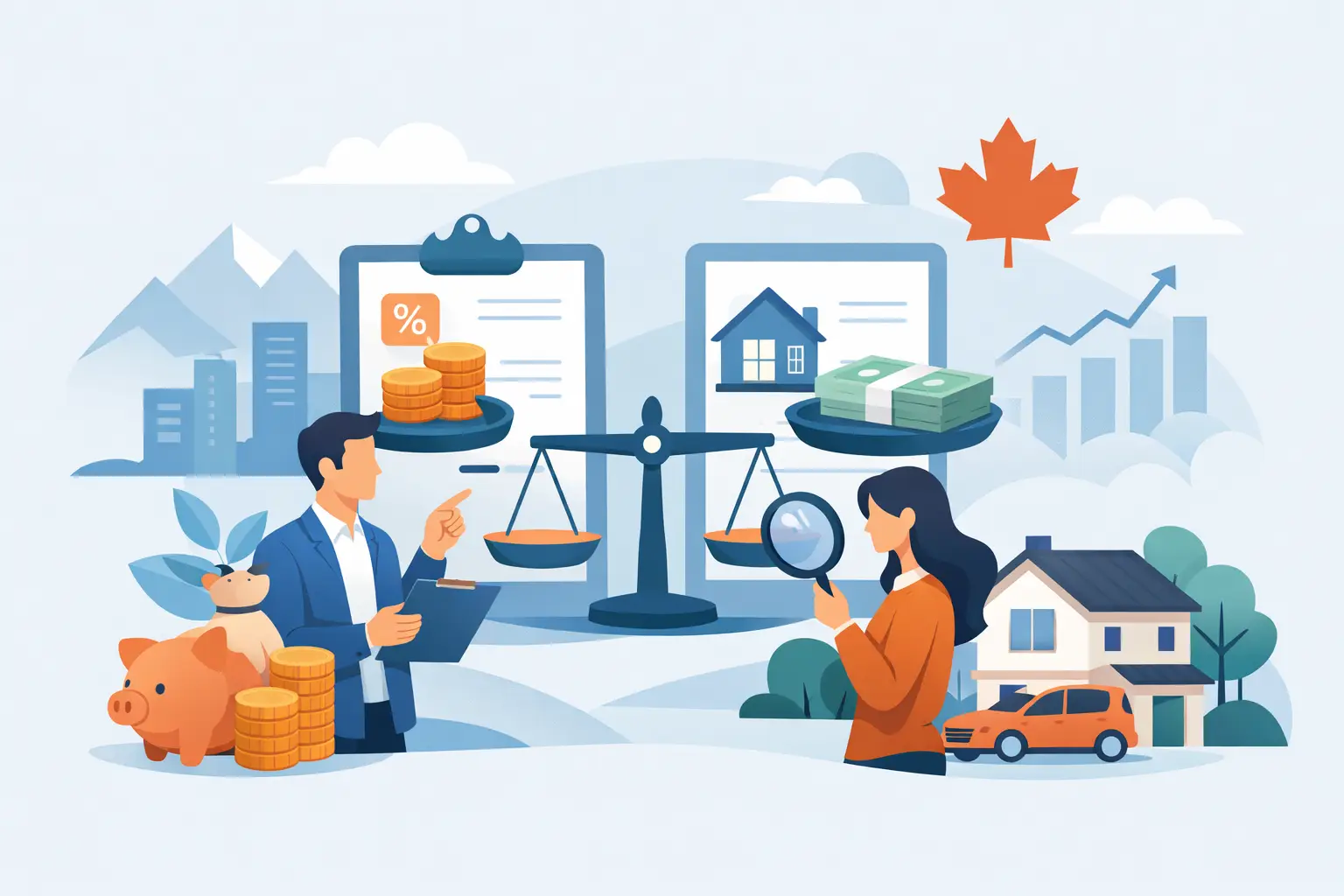
A personal loan can look simple on the surface – borrow a set amount, make fixed payments, move on. But when you compare personal loan options Canada borrowers are offered, the differences can affect your budget for years. A lower rate is helpful, but it is not the only thing that matters. Fees, repayment flexibility, approval requirements, and the lender’s process can all change whether a loan truly works for you.
For many Canadians, a personal loan shows up during a transition point. It might be used to consolidate credit card balances, cover an emergency expense, pay for education, manage home repairs, or handle a major family need. In those moments, speed matters, but so does clarity. Taking a little extra time to understand your options can help you avoid borrowing more than you need or locking yourself into terms that are hard to manage.
How to compare personal loan options Canada lenders offer
The strongest comparison starts with the full cost of borrowing, not just the advertised interest rate. Some lenders promote a low starting rate, but that rate may only apply to applicants with excellent credit and stable income. If your credit profile is average, new to Canada, or still improving, the rate you are actually offered may be much higher.
That is why the annual percentage rate, or APR, matters so much. APR gives a broader view of loan cost because it can reflect both the interest rate and certain lender fees. If one loan has a slightly lower interest rate but includes setup charges or administrative costs, it may not be cheaper overall. Looking at the monthly payment alone can also be misleading, since a longer term may reduce the payment while increasing the total interest paid over time.
Repayment term is another area where trade-offs matter. A shorter term often means higher monthly payments but less total interest. A longer term can make cash flow easier, which may be important for families balancing rent, groceries, childcare, and other fixed expenses. The right choice depends on what your budget can handle comfortably each month without forcing you back into credit card debt.
You should also look at whether the loan is secured or unsecured. Most personal loans are unsecured, which means you do not pledge collateral such as a vehicle or savings account. These loans can be more accessible for everyday borrowing, but rates may be higher because the lender is taking more risk. A secured option may offer better pricing, though it also carries more consequences if payments are missed.
What to review before you apply
Eligibility rules can vary more than many borrowers expect. Some lenders focus heavily on credit score. Others may weigh income consistency, employment history, existing debts, and residency status more heavily. If you are self-employed, a student, or a newcomer with limited Canadian credit history, you may need to provide more documentation or work with lenders that consider alternative indicators of financial stability.
It helps to review your debt-to-income position before applying. Even if you qualify for a larger amount, that does not always mean you should take it. A loan should solve a problem, not create a new one. If the monthly payment leaves little room for rising utility costs, car repairs, or seasonal expenses, the loan may put unnecessary pressure on your household.
Check whether the lender charges prepayment penalties. This is especially important if you plan to pay the loan off early after a bonus, tax refund, or business income increase. A flexible personal loan allows extra payments without punishing you for reducing interest costs. That flexibility can make a meaningful difference over time.
The application experience matters too. Fast approvals are useful, but transparency matters more. You should be able to understand the loan amount, interest rate, payment frequency, total repayment amount, fees, and consequences of missed payments before signing. If those terms feel rushed or unclear, that is a signal to pause.
Comparing banks, credit unions, and online lenders
Traditional banks often appeal to borrowers who value established brands, in-person support, and the possibility of bundling their financial relationship. If you already bank with an institution, that history may help streamline the application process. At the same time, banks can have stricter underwriting standards, especially for borrowers with limited credit history or uneven income.
Credit unions can be worth considering if you want a more community-based experience. They may offer personalized service and competitive rates, particularly for members with strong local relationships. Their product selection and approval speed can differ by institution, so the experience is not always identical across the board.
Online lenders have expanded access for many borrowers who want convenience and faster decisions. In some cases, they may serve customers who do not fit the typical bank profile. But speed should not replace due diligence. Some online lenders are excellent, while others may carry higher costs, aggressive marketing, or loan terms that are less flexible than they first appear.
This is where comparison becomes valuable. Working with a trusted financial support partner can help you review options side by side instead of responding to whichever ad appears first. For people managing several priorities at once, that guidance can reduce stress and improve decision-making.
Compare personal loan options Canada by purpose, not just price
Not every personal loan should be judged the same way. If you are consolidating high-interest credit card debt, the main goal may be lowering your overall borrowing cost and creating a predictable payoff plan. In that case, fixed payments and no prepayment penalty may matter more than a small rate difference.
If you are covering an emergency expense, timing may be more important. A slightly higher rate may be acceptable if the lender is transparent, the payment fits your budget, and the loan helps you avoid costlier alternatives. If the purpose is a planned expense such as training, relocation, or a family milestone, you may have more time to compare terms carefully and choose the most affordable structure.
Borrowers also need to be honest about whether a personal loan is the right tool at all. In some cases, a line of credit, a secured lending option, or a budget reset may be more appropriate. If the underlying issue is ongoing cash flow pressure rather than a one-time expense, borrowing alone may not fix it. A good comparison process includes asking whether the debt supports progress or simply delays a bigger financial issue.
Red flags to watch for when reviewing loan offers
A loan offer should feel clear, not confusing. Be careful with lenders that emphasize guaranteed approval without explaining the real cost. Be equally cautious if the marketing focuses only on low payments, because low payments can hide a long repayment term and much higher total interest.
Watch for vague fee disclosures, pressure to sign quickly, or requirements to buy add-on products that do not clearly benefit you. If customer service is difficult before the loan starts, it may not improve after funding. A dependable lender should be willing to answer straightforward questions in plain language.
Another red flag is borrowing based on your maximum approval instead of your actual need. Just because you can access a larger amount does not mean it supports your goals. Responsible borrowing starts with purpose, affordability, and a repayment plan that fits your life now, not an ideal version of your future income.
A smarter way to choose
The best loan is not always the one with the boldest advertisement or the fastest online form. It is the one that fits your budget, your timeline, and your broader financial picture. That is especially true for families, newcomers, students, and business owners who may be balancing taxes, insurance needs, savings goals, and other financial decisions at the same time.
At Unity Financial Services, the value of guidance is not just in finding an option. It is in helping people understand how one decision connects to the next. A personal loan can relieve pressure and create breathing room, but only when it is chosen with care.
If you are getting ready to borrow, give yourself permission to slow down just enough to ask better questions. The right loan should support your progress, protect your stability, and leave you feeling more in control of what comes next.