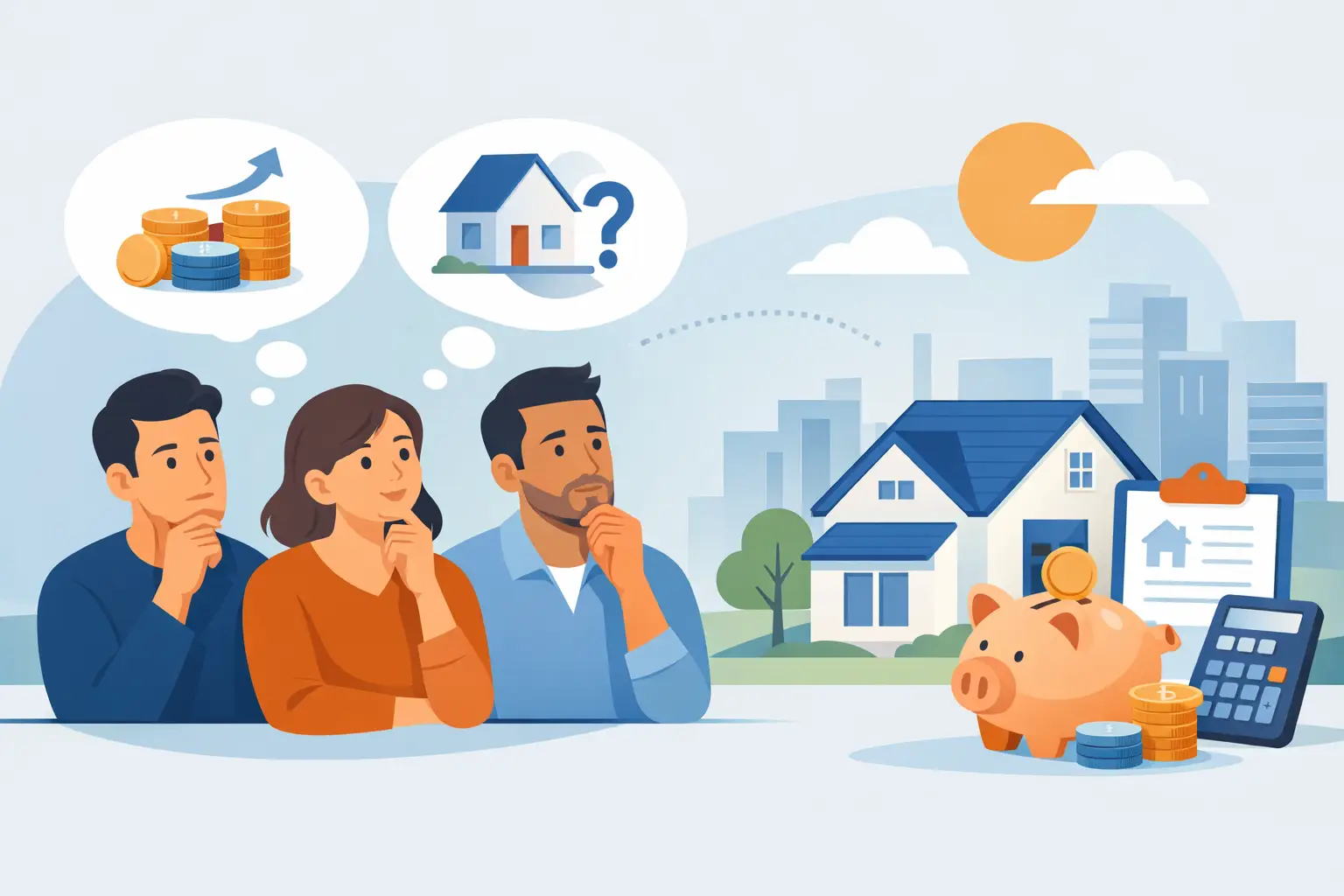
A first home can feel years away while you are paying rent, building credit, managing student loans, or supporting a growing family. That is exactly why the question of who should open an FHSA is worth asking before you are ready to make an offer. For eligible Canadians, opening a First Home Savings Account early can begin creating valuable contribution room – even if the down payment will take time to build.
An FHSA is designed to help first-time home buyers save for a qualifying home in Canada. It combines two meaningful advantages: eligible contributions may reduce your taxable income, and qualifying withdrawals for a home can be tax-free. Used thoughtfully alongside a budget, debt plan, and other registered accounts, it can make the path to homeownership more affordable.
Who Should Open an FHSA?
An FHSA is generally a strong option for an eligible Canadian who hopes to buy a first home within the next several years and has money available to save. You do not need to have found a property, chosen a neighborhood, or set a closing date. In fact, waiting until all of those details are settled can mean missing years of contribution room.
The account is particularly helpful for working professionals whose income creates a meaningful tax bill, students and newcomers beginning to establish their finances, couples planning a shared future, and renters who want a dedicated home fund. It can also suit someone who expects a future gift, bonus, or tax refund that could be directed toward a down payment.
Eligibility matters. To open an FHSA, you generally must be a Canadian resident, at least 18 years old, and under age 71 at the end of the year. You must also qualify as a first-time home buyer. In broad terms, that means you did not live in a home you owned during the current calendar year or the previous four calendar years. Your spouse or common-law partner’s homeownership can affect this test, so it is wise to confirm your situation before opening an account.
Future buyers who want to start the clock
The annual FHSA contribution limit is $8,000, with a lifetime limit of $40,000. Unused annual room can carry forward, subject to limits, but contribution room starts accumulating only after you open the account. That makes an early opening useful for someone who is eligible today but may not contribute the full amount right away.
For example, a recent graduate may only be able to contribute a few hundred dollars this year. Opening the account can still be a practical first step. As income rises, they may have more room available to make larger contributions, while keeping their savings connected to a specific goal.
Opening an account solely to create room is not a substitute for emergency savings. If you are living paycheck to paycheck or carrying high-interest credit card debt, stability should come first. But if your essential needs are covered and buying a home is a realistic future goal, an FHSA can give your savings a useful head start.
Earners who can benefit from the tax deduction
FHSA contributions are generally deductible from taxable income, similar to RRSP contributions. This can be especially valuable when you are in a higher tax bracket or expect your income to increase. A contribution may lower the tax you owe, and a refund can be added back to your savings plan if that fits your budget.
You do not have to claim the deduction in the same year you contribute. You may carry it forward and claim it in a future year, which can be helpful if you are currently in school, starting a business, taking parental leave, or otherwise earning less than you expect to earn later.
Still, a tax deduction should not be the only reason to contribute. The funds are intended for a home purchase. A non-qualifying withdrawal is generally taxable, so the account works best when you have a genuine homeownership goal rather than a short-term spending need.
Couples saving for a shared first home
Two eligible partners can each open and contribute to their own FHSA. That can create more tax-deductible saving capacity for a couple planning to purchase together. Each person has their own $8,000 annual limit and $40,000 lifetime limit, provided they meet the rules.
This is one reason an FHSA can be powerful for families building a first-home plan. The account does not replace conversations about affordability, credit, income stability, or how title and mortgage obligations will be handled. It simply gives each eligible person another tax-efficient way to prepare for the down payment and closing costs.
If one partner has owned and lived in a home recently, the other partner’s eligibility may be affected. These situations deserve careful review, particularly for common-law couples, blended families, or people who have moved between Canada and another country.
When an FHSA May Not Be the Right First Step
Not every eligible person should prioritize an FHSA immediately. Financial progress works best when the order of priorities matches your life.
If you have no emergency reserve, unstable income, or expensive consumer debt, directing every available dollar to a home account can create pressure later. A surprise car repair or job interruption could force a taxable withdrawal. Building a modest cash cushion and paying down high-interest debt may provide a stronger foundation first.
An FHSA may also be less suitable if you are unsure whether you will buy a home in Canada. The account has flexibility, but it is not identical to a regular savings account. If you do not use it for a qualifying home purchase, you can generally transfer remaining funds to an RRSP or RRIF on a tax-deferred basis when the account closes, subject to the applicable rules. That can preserve retirement value, but it changes the purpose of the money.
Finally, do not contribute beyond your available room. Overcontributions can lead to penalties. Keep track of your opening date, contributions, deductions claimed, and any transfers so your decisions stay aligned with CRA requirements.
How an FHSA Fits With a TFSA and RRSP
For many people, the right answer is not choosing one account forever. It is assigning each account a job.
A TFSA can be useful for flexible savings because withdrawals are generally tax-free and the withdrawal room returns in a future year. That flexibility can make it a sensible home for an emergency fund or for money you may need before buying a home.
An RRSP supports retirement savings and may also be used through the Home Buyers’ Plan if you meet its conditions. However, Home Buyers’ Plan withdrawals must generally be repaid. FHSA qualifying withdrawals do not need to be repaid, which is a major advantage for eligible first-time buyers.
A balanced plan might include an emergency fund in a TFSA or savings account, regular FHSA contributions for a future down payment, and RRSP contributions based on retirement goals and tax planning. The mix depends on your income, debt, timeline, family responsibilities, and comfort with investment risk.
Choose investments that match your timeline
The FHSA is an account type, not an investment by itself. Depending on the provider, it may hold cash, GICs, mutual funds, ETFs, or other qualified investments. The right choice depends largely on when you expect to buy.
If your purchase may happen in one or two years, protecting the down payment is usually more important than pursuing higher returns. Cash or short-term guaranteed options may be appropriate. If homeownership is further away, a diversified investment approach may offer growth potential, but values can rise and fall. A market decline shortly before you need the money can delay your plans.
A Practical Way to Decide
Start with four questions: Are you eligible today? Do you hope to buy a home in Canada? Is your financial foundation stable enough to save? Can you contribute without sacrificing high-priority needs?
If the answers are mostly yes, opening an FHSA may be a smart move even if your first contribution is small. Keep records, avoid treating the account as emergency spending money, and revisit your plan as your income, family needs, and home-buying timeline change.
Homeownership is rarely achieved through one account alone. It grows from steady saving, manageable debt, appropriate protection, and decisions that fit your household. A coordinated conversation with a qualified financial and tax professional can help you see how an FHSA fits alongside your taxes, savings, lending readiness, and long-term family goals.